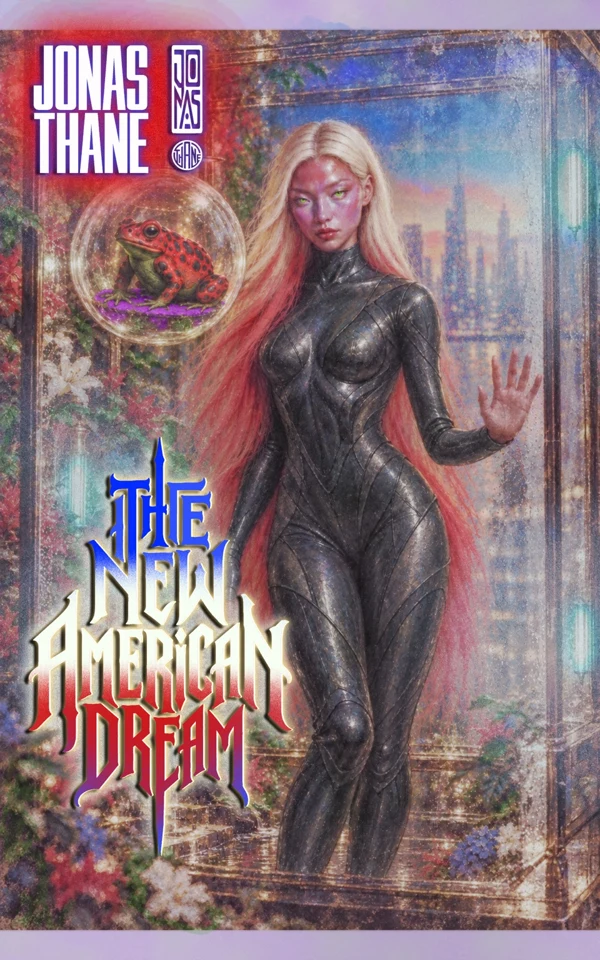
The New American Dream
A dark speculative satire about identity, influence, and the machinery that turns people into products. Told through recovered digital artifacts.
Explore the book FICTION / WORLDS / OTHER THINGS
WELCOME TO THE THRESHOLD.
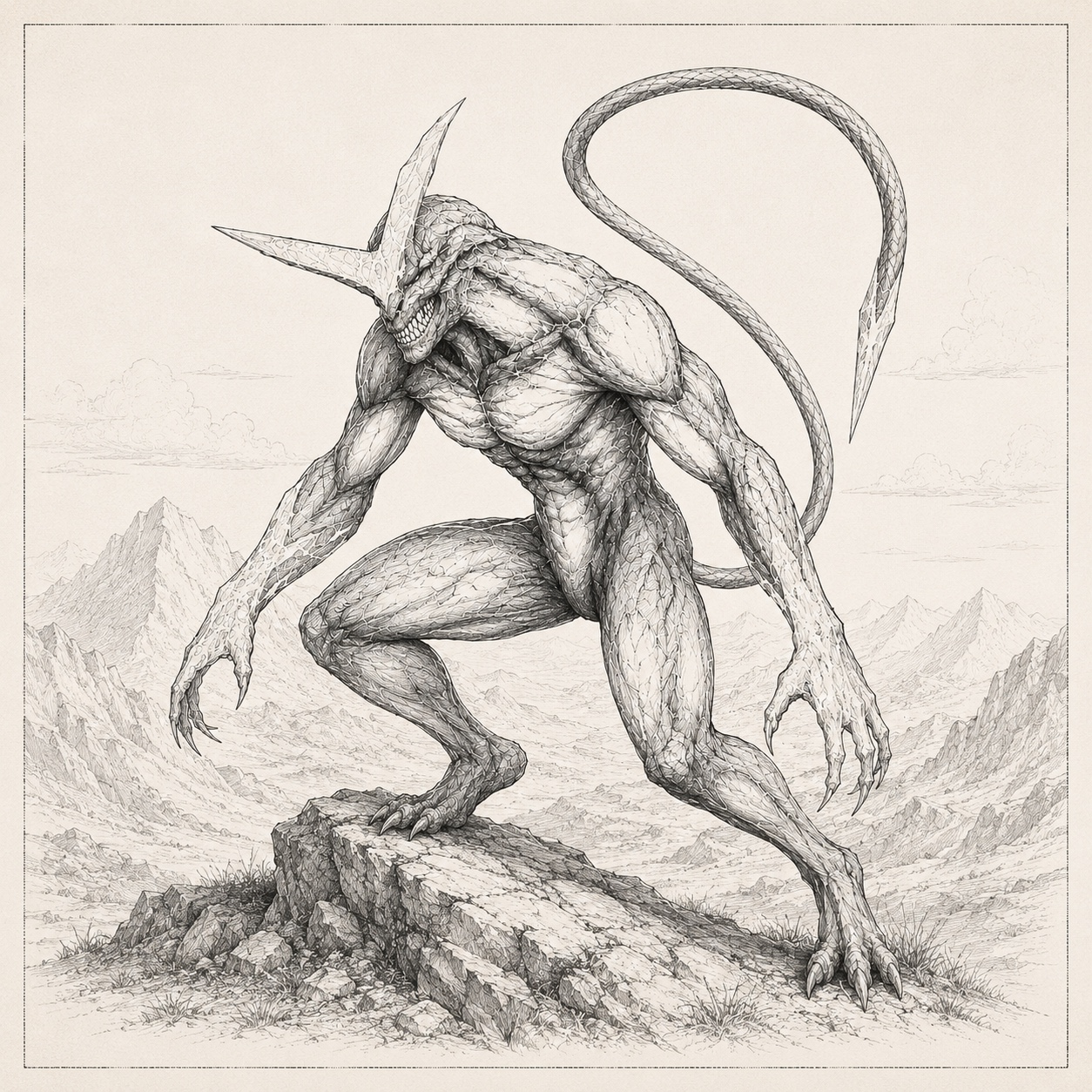
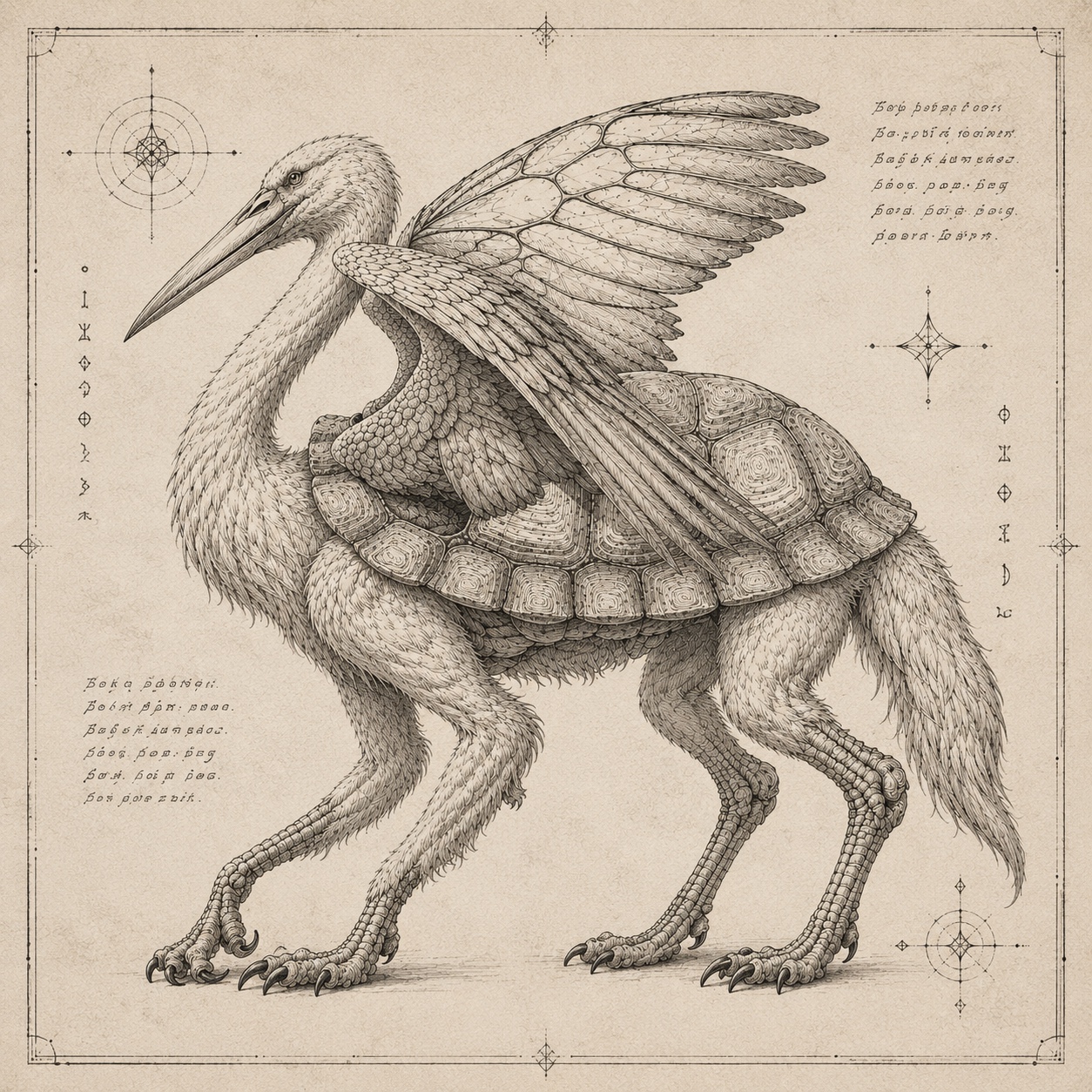
Strange worlds.
Familiar monsters.
A dark speculative satire about identity, influence, and the machinery that turns people into products. Told through recovered digital artifacts.
Explore the book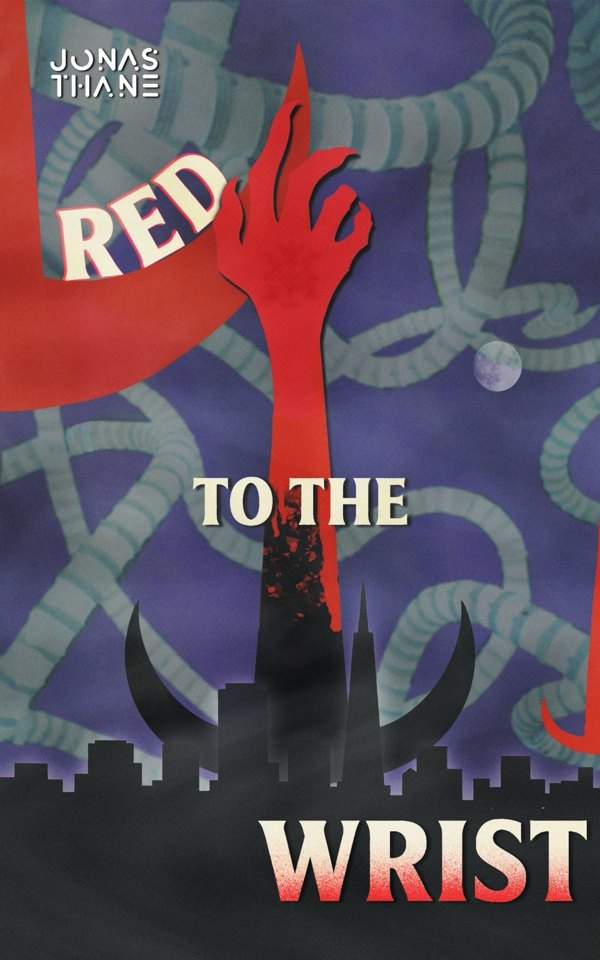
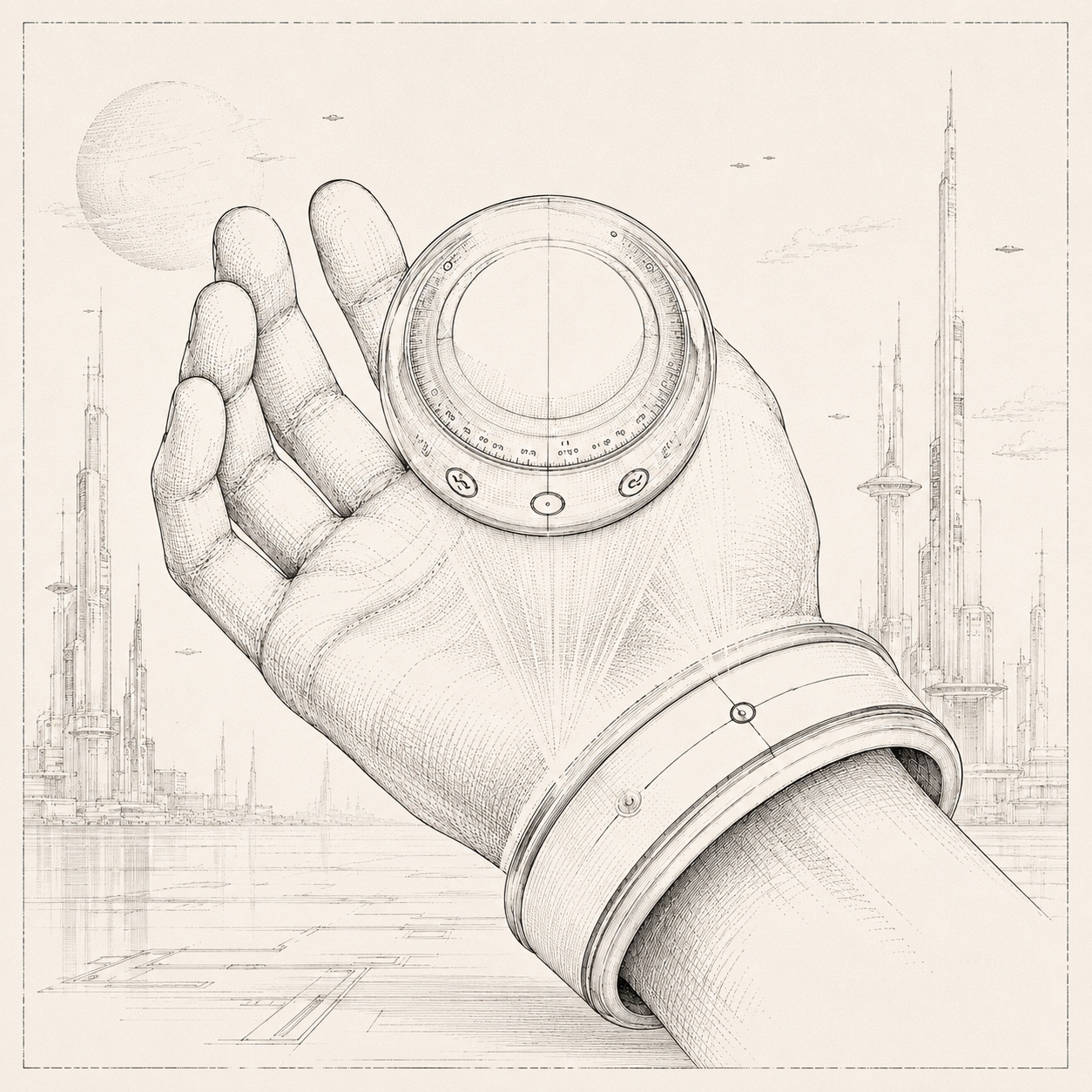
A dinner rush. A stolen breath. Then the screaming starts.
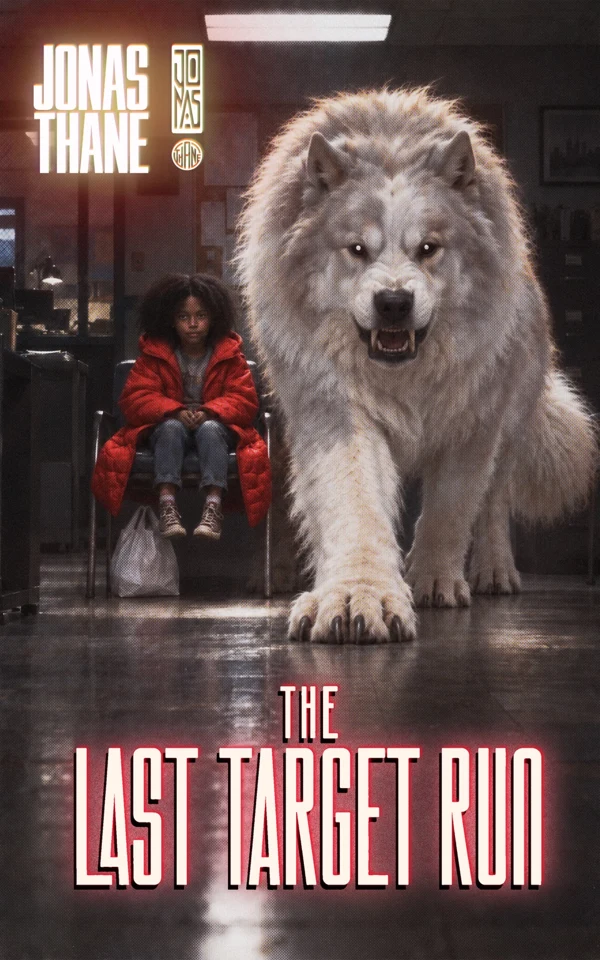
Chloe dreams of saving the world. This morning, the world feels like it’s ending.

A perfect life. A flawless story. Something isn’t right.
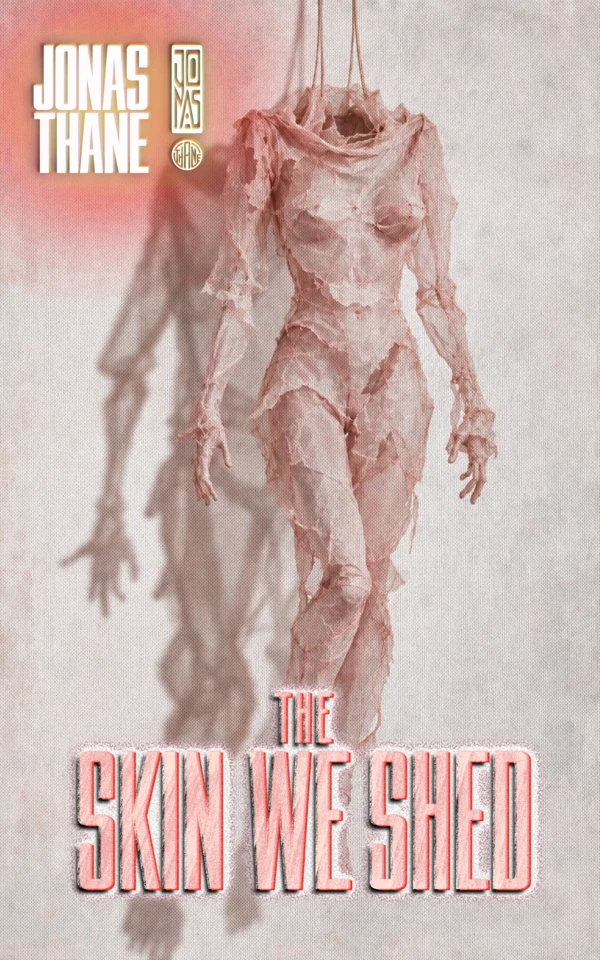
Every goodbye takes a piece of skin. How much of yourself can you afford to lose?
After years of being told no, Wairy is offered a miracle. The cost is harder to see.
Wairy has built a life around questions. A critically acclaimed author shaped by her O’odham family, an absent father, and a lifelong distrust of easy answers, she can imagine almost anything—except giving up on motherhood. After years of loss and failed treatments, an introduction to the secretive Benoni Clinic offers what conventional medicine cannot: a promise that she will conceive.
The offer arrives in a world already being remade. Starborn technology has transformed ordinary life, strange abilities are emerging, and political ambition is finding new forms of power. While Wairy reaches for the future she has wanted since childhood, other lives are being drawn into bargains of their own, watched by forces with little reason to explain their intentions.
The opening novel of the trilogy, Quite Contrary brings intimate longing into a widening struggle over agency, belief, and control. It asks what people will accept when a dream finally becomes possible—and how much of a choice remains when the terms are hidden.
Dr. Bijoux Nascente entered.
Her presence was immediate—commanding yet effortless. Her flawless brown skin glowed against the room’s sterile white. Green eyes, vivid as polished jade, caught the light and seemed to pierce straight through Wairy’s thoughts.
Gold beads chimed softly in her braided ponytail. Beneath the white coat embroidered with her name, a cropped white tank framed her collarbones, and a cognac-brown leather corset cinched her waist—more warrior than doctor.
“Hello, Wairy.”
Dr. Nascente’s voice was warm but precise, each syllable deliberate. She settled behind her glass-topped desk, gold flecks shimmering in her eyes.
“Let’s begin.”
Her fingers steepled. “I’ve reviewed your history. I know you’ve heard ‘no’ more times than you care to count. But I’m telling you—we can help you.”
The words struck something deep inside Wairy. Her fingers curled in her lap. “How?”
“We’ve developed a treatment. It ensures pregnancy, safeguards the child’s health, and addresses the complications you’ve faced.”
A pause. “However, it hasn’t received FDA approval. The components are… unregulated.”
That word hung heavy. Unregulated.
“Why?” Wairy swallowed.
“Regulation is about politics, not science,” Dr. Nascente said evenly. “These compounds have been used for centuries—proven, reliable. But official recognition? That’s another story.”
Wairy’s pulse quickened. “And the side effects?”
“Minimal. Post-birth. Manageable.”
“And the cost?”
“Our program is grant-funded,” Dr. Nascente explained. “No out-of-pocket expenses. No insurance claims. Just results.”
“Completely free?”
“In a sense,” she replied with a knowing smile. “Participation in follow-up evaluations helps improve the treatment. If all goes well, you’ll even receive a small stipend.”
The explanation sounded reasonable—clinical, even. Yet something about her easy confidence felt… off.
“What’s next?”
She expected a timeline—appointments, weeks of preparation. Instead, Dr. Nascente rose without hesitation, crossing the room.
Wairy blinked.
Wait—now?
Dr. Nascente retrieved a strange, clear container from the cabinet—pyramid-shaped, with four sleek triangular sides that met in a fine point, and a flat square base that sat neatly in her palm. It looked like glass, but lighter—closer to resin or high-grade polymer. Inside, suspended with unnerving precision, were two pills. She tucked a thin stack of papers beneath her arm and returned to the desk, her heels tapping softly across the polished floor.
“Well, paperwork first, of course.”
Her OnSight lenses activated immediately, a translucent overlay summarizing the documents at the edge of her vision.
[SUMMARY AVAILABLE – 14 SECTIONS]
Wairy blinked twice. Each paragraph condensed into short sentences—legal jargon distilled into digestible explanations.
Dr. Nascente tapped the top sheet. “Standard HIPAA release. It allows us access to your medical history for research purposes.”
The summary confirmed it:
[HIPAA CONSENT: AUTHORIZES DATA SHARING FOR RESEARCH PURPOSES.]
Her eyes flicked to the second document.
[PARTICIPATION AGREEMENT: OUTLINES TREATMENT SCOPE, FOLLOW-UP PROCESS, AND LIABILITY WAIVERS.]
Patches of text glowed amber, marked “Further Review Recommended.”
Wairy lingered on one section:
[INDEMNITY CLAUSE: PARTICIPANT ASSUMES RISK. NO LEGAL RECOURSE FOR UNANTICIPATED OUTCOMES.]
Another pulsed beneath it:
[CONFIDENTIALITY CLAUSE: TRIAL DETAILS MUST REMAIN UNDISCLOSED TO THIRD PARTIES.]
Her instincts urged her to expand the sections, but she ignored it.
[WOULD YOU LIKE ME TO GENERATE A DETAILED SUMMARY? ESTIMATED LISTEN TIME: 11 MINUTES.]
She hesitated. Eleven minutes. Too long.
She glanced at the container—the transparent pills, shimmering like trapped light.
No more waiting. No more obstacles.
Wairy blinked to dismiss the overlay and signed the HIPAA form without hesitation.
Her hand hovered over the second document. The amber highlights pulsed faintly, almost like a warning.
“It’s all standard,” Dr. Nascente reassured her. “You’re welcome to read everything carefully, of course. But the summary should suffice.”
It sounded plausible enough.
She signed.
Ten years stolen. Freedom, family, and revenge offered—for one favor.
Tyson Light has spent nearly a decade in prison for a crime he did not commit. Separated from his wife and daughter, stripped of his recorded memories, and trapped inside a system that treats his humanity as expendable, he has learned to protect the one thing it cannot easily take: his mind.
Then a presence calling itself the Warden appears in his cell. It offers everything Tyson has lost—and revenge against the powerful people who stole it. The price sounds almost harmless: one favor. In a world where technology can rewrite a life, Tyson must decide what freedom means when someone else sets its terms.
The trilogy’s second novel follows Tyson’s struggle to reclaim a future, finding comedy, connection, and unexpected possibilities for joy while anger pulls him toward those responsible for his past. Beyond the institutions he knows, stranger powers are taking an interest. Rebuilding a life and settling a score may demand very different versions of the man he wants to become.
His gaze fixed on the far corner of his cell, where darkness pooled unnaturally, deeper than any shadow should be. From the void, two emerald eyes emerged, glowing, sharp, and magnetic.
A shiver crawled up Tyson’s spine. His voice, barely above a whisper, trembled. “What are you?”
The eyes sparkled with wry amusement. A smooth, lilting voice filled his mind.
“Who raised you? Asking ‘what’ someone is? Even I’m not that rude. But since you asked, you can call me… the Warden.”
The casual tone didn’t fit the sinister glow. And yet, something about it felt familiar, even calming.
“And you, Tyson?” the Warden asked. “Who are you?”
He hesitated, but the words flowed out. Thoughts on philosophy, memories of old movies, his anger, his love, his hope for redemption. The Warden listened, patient and probing, asking questions that peeled back layers Tyson hadn’t touched in years. For a moment, it felt like he’d found someone who truly understood him.
But then, the air thickened. The Warden’s voice took on a velvet edge, the kind that hid barbs.
“I’ve heard you,” it murmured. “I can give you what you want—freedom, family, revenge. All yours. Just one favor in return.”
Tyson’s heart pounded. The offer was so simple, so tempting. The walls of his cell seemed to close in, pressing him toward the answer.
But a spark flared within him, the same defiance that prison hadn’t crushed.
“Tempting, but no thanks,” he said, his voice firm. “I’m not trading my freedom for favors. Locked up or not, if my mind’s my own, I’m free. And I’m not making deals with shadows.”
The Warden’s eyes narrowed, their glow dimming. The cold seeped into its voice. “So be it. You’ll stay trapped, a prisoner of your own choices. But remember, Tyson Light—sometimes the darkness in you is your greatest weapon.”
A boy who owes the world becomes a man powerful enough to change it. Who decides what he should change?
At thirteen, Ray survives by stealing—and records every name in a battered notebook, promising himself he will someday repay what he owes. Then a stranger called Boss offers him shelter, purpose, and the power to stop running. In return, Ray will help contain forces threatening the world’s balance.
What begins as an escape from the streets becomes an education in extraordinary abilities, hidden hierarchies, and obligations whose full terms remain out of reach. Across centuries, Ray’s life intertwines with an alien survivor, a restless inventor, and others whose ambitions reach far beyond Earth. Technology transforms what ordinary people can do, while those who wield greater power pursue competing visions of what the future should become.
The trilogy’s third novel brings its scattered lives into a widening conflict over agency, loyalty, and the cost of lasting power. Ray once wanted enough strength to survive. Learning whom to trust with that strength may prove harder than learning to wield it.
Ray lay sprawled across a makeshift bed in a forgotten tower, its walls whispering stories of a past he did not belong to. Stained glass windows, their cracked edges softening the moonlight, cast fragmented beams across the worn floor. Shadows shifted and danced, weaving a quiet, spectral rhythm against the decay.
Threadbare comforters draped along the stone walls, scavenged from the flea markets of Montenegro, while pillows, taken from a distant hostel in Faro, provided a semblance of comfort. It was a sanctuary in the loosest sense—a fragile claim to space in a world that had never truly made room for him.
In his hands, a small, beaten-up notebook rested—its cover frayed, edges worn smooth by time and touch. It was the only possession that mattered. His anchor. His proof.
He flipped through pages filled with names. Dozens. Each written in his rough but careful script. These weren’t the names of friends or family but of strangers. People he had stolen from.
He skimmed through them absently—some names sharper than others. Some still carried weight; others had faded like old dreams.
His fingers lingered on the first entry. The ink, once bold, had softened over the years, but it remained untouched.
He’d never cross that one out.
Ray exhaled, flipping to a blank space. The moonlight caught the fresh ink as he carefully added another name to the list.
The act grounded him. Reminded him of what kept him tethered to himself. One day, he would pay them back. Every single one. He had to.
His gaze drifted from the notebook to the stained glass window, the tallest of them all, where the light always found its way in. The colors stretched across the floor, shifting with the wind outside, familiar yet distant.
How had he ended up here, in this dilapidated room near a Portuguese train station, so far from where he was born?
How had this become his haven—however temporary—in a world that seemed determined to forget him?
He was thirteen, but life had aged him far beyond his years.
Today had been another victory in Faro. He had navigated the intricate dance of survival—slipping through sunlit beaches, bustling restaurants, and crowded tourist spots. His haul was enough to last another night. Another day.
His fingers brushed against the smooth cover of his notebook, tucking it safely beneath his pillow.
His name was Ray. Just Ray.
That and his notebook were all he needed.
Anything beyond them? Irrelevant.
Forgotten.
Discarded.
Three years. Two thousand miles. Everything that once tethered him—gone.
One day. One night. An aging demon king in search of a new arm.
An aging demon king has outlived the speed and strength that once made his rule possible. His living armor now corrects his movements, refuses dangerous impulses, and increasingly does the work his body cannot. Across one day and one night, his search for a new arm draws him beyond the city he built and into a realm shaped by seven elements.
Told in second person, the novella places the reader inside a ruler whose authority endures as his physical independence narrows. Power, continuity, and the cost of control unfold through the immediate demands of his body.
Night rests over Blackward Rise.
Most demons call it the King’s Spine.
The nickname suits it better.
The fortress crowns the last hard rise of the territory, where mountain gives way to cliff and black sea. Pale walls climb exposed rock in ascending ribbons, disappearing into it, reemerging as towers, arches, bridges, terraces, galleries. In places the mountain remains untouched, raw ribs thrust through halls and walls as though the fortress had been built around something too old to remove.
From above, it is difficult to tell where mountain ends and fortress begins.
Lower.
Past towers and ramparts.
Past stone laid thick enough to outlast rulers.
Through an upper roof.
Into the chamber below.
Living branches fill most of it. The bed has grown from floor and wall in a tangle of old Wood, trunks braided together, roots disappearing into stone, canopy spreading beneath the ceiling until the room becomes something between bedroom and grove.
Through that canopy—
you.
Man-shaped from above.
Mostly.
Armor covers nearly all of you, crystal darkened to obsidian over centuries of use. One arm rests beside you.
Only one.
Horns extend almost level from your temples before turning sharply. Behind the faceplate, your features are harder to read.
That is partly the dark.
Not entirely.
This is the Demon King.
Old enough that the title has become heavier than honor.
You have been loved, feared, hated, obeyed.
Lately, living with yourself requires more effort.
For now, nothing is required.
That’s the luxury of sleep.
Your eyes remain closed, so the Concord lies loose across the realm. Not gone. Never gone. Only slackened. When you wake, it will tighten again.
Then the familiar presences will gather.
Messages will arrive. Someone will need permission, money, soldiers, judgment, absolution, or merely the appearance of having been heard. The Queen will likely already be awake somewhere else in Blackward Rise. The veyren will have opinions. The Seven will disagree in whatever manner allows them to insist they have not.
Your body will object to standing.
The armor will answer first.
Then the day will begin.
That is normal now.
Beyond the chamber, the kingdom continues without consulting you. Markets prepare to open. Elevectar changes hands under guard. Seam hunters return from crossings most demons avoid. Contract-weavers mend garments for bodies that do not always remember the same shape. Someone is born into an element it did not choose. Somewhere lower, something old continues refusing to die.
The kingdom has grown large enough to develop habits of its own.
You helped make some.
Inherited others.
For now, Blackward Rise carries itself.
The armor carries you.
The bed carries both.
That arrangement has become increasingly representative.
The armor was not always so necessary. Now it braces where the body hesitates, redistributes what no longer balances, corrects failures before they earn names.
You resent it most when it’s right.
The missing arm is harder to dismiss.
Not because the loss is new.
Because lately it has begun to mean something else.
Evidence, perhaps.
Warning.
You have not decided which word irritates you less.
Tomorrow is supposed to solve the practical part.
That is the version everyone has been given.
An old King. An old injury. An old craft capable of answering both.
Simple enough.
Believable enough.
A fitness influencer enters a government trial of her convictions—and discovers what her body is worth to the system.
Patra Delarose has built her following on a simple conviction: bodies reveal the choices people make. In a city governed by the 999th ruler, cheaper rent, better healthcare, and efficient streets help her explain away the disappearances. Then a routine visit to the Renewal Office draws her into the Recalibration, a spectacle hosted by Merrik, whose games turn her public certainty into a test she cannot control.
Faced with thirty-two strangers and the demand to explain their bodies, Patra discovers how little looking tells her. But learning to question her assumptions does not release her from the machinery waiting beneath the show. Reassigned underground, she becomes part of a labor system that preserves its workers with exquisite care because their bodies must keep producing.
As the story moves across generations, exploitation acquires the language of family, duty, and finally faith. To Be Bluer Than Blood examines bodily judgment, complicity, and the endurance of greed long after its original excuses have been forgotten.
Most disasters, Patra believes, begin with something small left unattended.
A candle.
A burner.
A message you meant to answer.
She has one hand on the door when the thought stops her.
One last look.
The candle on the kitchen counter is out.
Probably.
Patra sighs and crosses the apartment.
Cold wick.
Good.
She pinches the incense beside it.
Nothing glowing.
Runs a hand over the stovetop.
Cold.
On the windowsill, one of her plants has started yellowing at the edges.
Too much water, probably.
The thought brings Farah back immediately.
Years ago, Patra had pointed to a plant in her aunt’s apartment and said the same thing.
Farah stood beside it, warm sienna skin catching the window light, dark hair clipped back. Softer than Patra remembered from childhood—full through the hips and middle, somewhere in the last stretch before another fifty pounds would make full-figured simply fat.
“Too much water.”
Farah studied the leaf.
“Could be.”
“Could be?”
“Too much water. Not enough. Bad soil. Too much sun. Not enough. Sometimes the leaf is old.”
Patra frowned.
“So how do you know?”
Farah pinched the yellow edge between two fingers.
“You look somewhere else.”
Patra touches the leaf now.
Thin. Soft.
She should deal with it.
Later.
Her gaze shifts to the bread box.
White enamel. Chipped at one corner.
Farah found it at a market years ago and announced that it looked like her.
“What does a bread box look like me?”
“Overpriced and difficult to clean.”
Patra had laughed.
Farah laughed harder.
She should call her.
The thought comes often enough now to almost feel like calling.
They haven’t spoken properly in months.
Missed calls. Postponed dinners. Patra’s schedule.
And other things.
Farah hates the 999th.
Still marches. Still posts articles that sometimes vanish by morning. Still uses words Patra thinks she should be more careful saying aloud.
Patra doesn’t love him.
That’s what she tells Farah, anyway.
She just thinks life is more complicated than good and bad. People are complicated. Governments too.
The rumored disappearances bother her.
The Reassignment stories bother her.
Some things the 999th says make her turn the volume down instead of up.
But rent is cheaper.
Healthcare is better.
The streets feel safer.
Getting across the city costs almost nothing.
Problems that once occupied whole sections of Patra’s life have gotten smaller.
That has to count for something.
Doesn’t it?
They used to argue about it over dinner.
“He can be a dick,” Patra would say. “I’m not denying that. Still, things are a bit better.”
She called it nuance.
Ambivalence.
Holding two truths at once.
She liked the language of it. It made her feel less easily manipulated than people who needed heroes and villains.
Farah—older, with more life behind her than Patra had yet managed to accumulate—usually let her finish.
Then she’d tear a piece of bread in half and ask:
“Better for who?”
Patra hated that question.
Mostly because Farah never let her answer it with me.
Lately, Farah has started sending Patra her own work back to her.
A clip after Patra called obesity a failure of discipline.
Nothing attached.
No lecture.
Somehow worse.
Patra looks at the bread box.
There was a time when Farah gave her a room, a key, and enough quiet to become someone else.
Now Patra can’t seem to manage a call.
She thinks to use her NeurOptics.
Stops.
Later.
The word comes easily.
It usually does.
Patra turns off the kitchen light and walks back to the door.
This time, she leaves.
It seals behind her with a soft blink, like a camera shutter closing.
A muted chirp crosses her NeurOptics:
SECURE | APARTMENT 1704 | 9:12 A.M.
She doesn’t look back.
A novel in thirty endings. Each life is yours. Each ending leaves something behind.
You are already inside an ordinary day when you notice something is wrong. An office morning. A familiar street. A drive home. Across lives that seem separate, routine gives way to an ending—and each ending brings you closer to questions you can no longer keep at a distance.
Told in second person, A Death A Day moves through thirty encounters with mortality, from intimate grief and loneliness to the violence hidden inside systems that decide whose life matters. Tenderness, dark humor, and dread sit beside one another. Death can arrive through catastrophe, cruelty, love, or the small permissions people give themselves to stop seeing someone else.
As phrases, sensations, and fragments begin to pass between these lives, the boundaries separating them grow less certain. What first appears to be a collection of endings becomes a larger story about identity, complicity, and the fragile distance between living a life and being made to inhabit one.
It starts the way all last days do—routinely.
Or at least, it feels like it does.
A humdrum Monday.
You’re already inside it by the time you notice.
Mid-morning, or close enough. The kind of hour that doesn’t announce itself.
Fluorescent light hums overhead.
nnnnnnnn.
You’re in your office.
Private.
Glass on one side, drywall on the others.
Beyond the window, the city arranges itself into clean architectural layers—traffic threading between mirrored towers, sunlight collecting against buildings expensive enough to resemble certainty.
And around, and beyond, the wall.
A view you paid dearly for and still rarely look at long enough to justify.
You used to think people earned views like this.
Now you’re less sure what earned means.
Degrees.
Certifications.
Late nights.
Versions of yourself traded slowly for employability.
That’s what work feels like if you stay inside it long enough.
A transaction.
They pay you money.
You pay them with mornings.
With focus.
With the sharpest hours of your nervous system.
You answer emails.
Attend meetings.
Move colored blocks around digital calendars as if rearranging time counts as mastering it.
And somewhere beneath all of that lives the embarrassing thought you never say out loud:
maybe this isn’t what a life is supposed to feel like.
The thought arrives randomly.
Usually while staring through glass.
You imagine all the things your attention could’ve become instead.
Art.
Love.
More love.
Connections deep enough to stop requiring scheduling software.
A version of yourself less optimized.
More alive.
The idea embarrasses you because it sounds ungrateful.
So you minimize the thought the same way you minimize windows on your screen.
The desk isn’t yours.
Neither is the chair.
Or the shelving.
Or the framed print mounted slightly crooked beside the door.
Or the plant surviving mostly because maintenance rotates it toward sunlight every few weeks.
The room arrived assembled.
You’ve only added enough to suggest occupation.
A blue mug.
A better blue pen.
A blue jacket folded over the back of the chair.
Small blue negotiations against the feeling that adulthood comes pre-furnished.
Beyond the glass—
the city.
And farther still—
the wall.
You don’t look directly at it.
You rarely do.
But it exists anyway.
A pale line cutting the distance where distance should continue uninterrupted.
Your eyes never find its end.
Eleven masterpieces. Eleven years. A creator giving away the memories that make him.
On Ararat, a world settled by humanity long after Earth’s collapse, Taru Freedom can turn thought into living art. He is a Frame, one of the rarest and most powerful beings alive. When interviewer Sachin Aloe is invited to document his next eleven masterpieces, she and her cameraman Sacha enter a project that will bind their lives to his legacy.
Each year brings a new creation: landscapes, monuments, and living structures made from bind energy and memories Taru chooses to surrender. As the works become part of Ararat’s daily life, the man behind them grows harder to recognize. What he calls freedom leaves Sachin wondering who remains when experience survives only outside its owner.
Told through interviews and accounts of the unveilings, Frame of Creation explores the cost of creation, the stories power tells about itself, and the distance between preserving a life and erasing it. Beneath the spectacle, Taru’s past—and the history his world has learned to accept—waits to be questioned.
Sachin, Sacha—may I be honest?
There’s a peculiar sensation moving through me.
It feels like both a birth and a death. Monumental, yes. But not unpleasant. No—light. Almost buoyant. As though something inside me has been unfastened and allowed to drift away.
Odd, really, considering Pyramid is composed almost entirely of bind energy, threaded only with fragments of my own memory. In theory, that shouldn’t affect my physical state.
Speaking of memory—did I mention which ones I infused into Pyramid?
No. I don’t believe I did. Fortunately, I kept a record of what I chose to relinquish.
Naturally, the memory of our interview yesterday remains intact. I wouldn’t dream of discarding that. Not yet. It would be premature to forget either of you.
What I let go of were the superfluous things.
Waiting in lines.
Bathing.
Grocery lists.
Mundane meals.
Casual flings.
Friendships that thinned with time.
Secrets that lost their teeth.
I stripped away the quiet noise of living.
And I feel… unburdened. Lighter. Mentally and physically.
Free.
Perhaps it’s simply the success of Pyramid buoying me upward.
Or perhaps I’ve felt this joy before—in moments now embedded deep within its base.
Who can say?
Whatever the source, this feeling—this lightness, this release—it’s real.
And it’s wonderful.
That is how I am feeling, Sachin.
May we hug?
You as well, Sacha.
Set the bell on the tripod and come here.
Thank you. Truly. For witnessing this with me.
For becoming part of it.
Now, if you’ll allow me a few moments to change, I’ll return.
We’ll break bread together before you depart.
After all—
It will be another year before I see you again.
Try a life together before choosing a partner. What could certainty cost?
Ezra has spent years waiting to become someone ready for love. Now, in his mid-thirties, with a stable job and an apartment beginning to feel like home, he visits Midtown Select: a pairing lot where prospective partners stand beneath hovering rings, ready to share a preview of the lives they might build together.
Guided by Ansel, a salesman whose charm is almost too well rehearsed, Ezra samples intimacy, conflict, longing, and ordinary domestic life. Each sync gives him the emotional weight of a relationship he has never lived. But knowing what a future might feel like does not make choosing it simple—especially when safety and connection begin to look like different things.
As compatibility becomes a score and commitment comes with incentives, Moderately Damaged, Relatively Cute asks what makes a relationship good, what people withhold to be chosen, and whether a life that fits can also become a place to disappear.
The lot wasn’t far. Most neighborhoods had one within walking distance, and Midtown Select had been wedged neatly between a noodle bar and a laundromat that promised to “fold with flair.”
From across the street, it almost looked pleasant.
Wide-open entrance. Curved glass. Sunlight flashing cleanly off the panels.
Then Ezra saw the banner.
Pale pink vinyl sagged slightly between two poles, one corner folded in on itself.
MODERATELY DAMAGED, RELATIVELY CUTE
Underneath, in smaller lettering:
Midtown Select Lot — Walk-Ins Welcome — No Appointment, No Problem
Ezra stopped at the curb.
“Oh, Christ.”
Two inflatable tube men flailed beside the entrance. One was neon green with puckered lips. The other wore a bowtie that slapped repeatedly against its own face.
Behind them, rows of people stood perfectly still.
Ezra took a breath and went in.
The first thing he noticed was how quiet it was.
Not silent. Shoes against concrete. Someone clearing their throat. The soft plink of a ring syncing somewhere nearby.
But no music. No advertisements calling out from the walls. No cheerful ambient hum trying to convince him he was having a good time.
Just people.
Dozens of them.
Maybe hundreds.
They stood on low-lit platforms in elegant black support rigs, each brace positioned at the neck, back, and knees. Their rings hovered above them in matte black, chrome, lavender, amber, pale blue.
Still connected. Still syncing.
Some wore small, pleasant smiles. Others had settled into the flat calm of a professional headshot.
A woman blinked.
Three rows over, somebody swallowed.
Ezra became suddenly aware of his own hands and put them in his pockets.
“Oof. Look at this guy.”
Ezra turned.
The man coming toward him looked like a lifestyle ad had learned to walk.
Powder-blue blazer. Matching loafers. Teeth that had never once surprised their dentist.
“You’ve got the walk. You’ve got the face. You’ve got…” The man slowed, taking Ezra in with theatrical seriousness. “The vibe.”
His attention flicked briefly toward Ezra’s ring.
“Fresssh. Slate on slate? Love that. Mature but whimsical. Quiet confidence. Like, ‘I’ll hold your heart, but I’ll also hold the door.’ Very nice.”
Ezra blinked.
“Hi.”
“Hi.”
The handshake was warm, dry, and somehow already waiting for him.
“Ansel. If you fall in love today, call me Cupid. If you don’t—” He gave Ezra’s hand one final squeeze before letting go. “Just call me.”
Heat crept into Ezra’s face.
“I’m just browsing.”
“They all say that.”
Ansel was already moving around him, not quite circling, but close enough that Ezra had the brief impression of being appraised.
“That’s why I’m here. You show up curious, I show you possibilities. Six years doing this, and I’ll tell you the two things people who actually find somebody here have in common.”
Ezra waited.
“They’re honest with themselves.” Ansel held up one finger. Then another. “And they trust me.”
There it was.
The pitch.
Ezra knew it was a pitch because Ansel knew exactly where to pause.
Still, it landed.
“I’m not here to upsell you. I’m not here to waste your time. I’m here to help you find something real.” Ansel’s smile softened by maybe two percent. “And if you do find somebody, the rest of life gets a little friendlier too. Housing incentives. Premium neighborhood placement. Citizen stability boosts.”
Ezra nodded.
He knew.
The system liked people in pairs.
Nobody ever said it quite like that, of course.
Four hands make Saffron’s promises believable. Then tomorrow comes to collect.
In Habitat Three at Helix’s Nanshan Complex, thirty-six engineered primates live under constant observation. Each carries a variation that sets them apart from the standard Line Five population. Saffron’s is unusually useful: four working hands. When he offers seven minutes of grooming in exchange for feeding access, Dr. Raghavan watches a familiar act of care become something neither the animals nor their observers have a settled name for.
Saffron keeps his promises. Then the promises begin to travel, traded for food, protection, and rank. The extra hands that once let him give more become proof that he can always give enough. As obligations outgrow his capacity, Helix’s researchers and visiting officials celebrate a discovery Raghavan is increasingly afraid they do not understand.
For Raghavan, the Fives are more than subjects, and the institution that owns them is less permanent than it believes. With an unspoken secret of her own and rumors of an unseen organism beneath the north wing, she watches the experiment move toward a reckoning. The Four Hand Premium explores credit, care, institutional ownership, and the dangerous distance between what someone possesses and what everyone expects them to provide.
Saffron had four arms.
That was his variation.
Rare, but not unheard of.
What made him special was that all four worked.
The second pair grew beneath the first.
Slightly smaller.
Just as useful.
His chest was wider to make room for them, and the muscles across his back crossed over one another in strange bands.
Four shoulders.
Four elbows.
Four wrists.
Four hands.
When he ran uphill, he sometimes used all six limbs.
He looked strange even in Habitat Three.
Not because he was different.
Everyone there was different.
Because his difference was useful.
He could carry food and climb.
Hold an infant and defend himself.
Scratch his own back while eating.
Groom himself while grooming someone else.
Most importantly, he could groom two Fives at once.
Sometimes three.
That made him popular.
Before it made him powerful.
His first promise happened shortly before morning feeding.
Citrine occupied the western platform.
She outranked him.
When the feeder opened, she would eat first.
Saffron approached her.
Touched her wrist.
Then dragged two fingers slowly through the fur of his opposite arm.
Grooming.
He showed seven fingers.
Five on an upper hand.
Two on a lower.
Citrine watched him.
Saffron pointed to the platform.
Then himself.
Then grooming.
Seven.
Citrine moved.
Saffron ate first.
Six hours later, beneath the artificial fig tree, he found her again.
He groomed her for seven minutes and twelve seconds.
He used the lower pair of hands.
The upper pair cracked seeds.
Dr. Kessen replayed the footage fourteen times.
“Delayed reciprocity.”
Raghavan kept watching.
“Maybe.”
“What else would you call it?”
At seven minutes, the skin beneath Saffron’s throat darkened.
At seven minutes and twelve seconds, he stopped.
“Nothing,” Raghavan said.
Kessen waited.
“Yet.”